The Feast of Passover
By Bruce Larson
The Feast of Passover (Pesach) this year begins at sunset on Wednesday April 1, 2026, which marks the beginning of a new Jewish day. This Biblical feast of Passover (Pesach) has always had a very deep significance for the Jewish people. For Christians the Passover is also very important as it shows God’s faithfulness to His people. Without the deliverance from Egypt there would be no Jewish people, and the events of New Testament would not have happened.
In Exodus 12 we read that each of the families of Israel were instructed to sacrifice an unblemished lamb, put its blood on the two doorposts and lintel of their home, and then eat the lamb roasted in fire with unleavened bread and bitter herbs. He wanted them to eat in this manner, with their loins girded, staff in hand, and in haste so they could leave Egypt quickly. God wanted them to eat unleavened bread not only because He wanted them to be prepared to leave Egypt quickly but also, He wanted them to be free from the leaven (symbolic of sinfulness) of Egypt. As part of the final judgement on Egypt, the first born of both man and beast would die that night except if the Lord saw the blood on the doorposts and lintel He would “Passover” that house. God commanded His people to celebrate this feast throughout their generations and retell how the Lord by His great power fulfilled His promise to Abraham and delivered His people from the “gods of Egypt” (verse 12) so they would be free to serve Him.
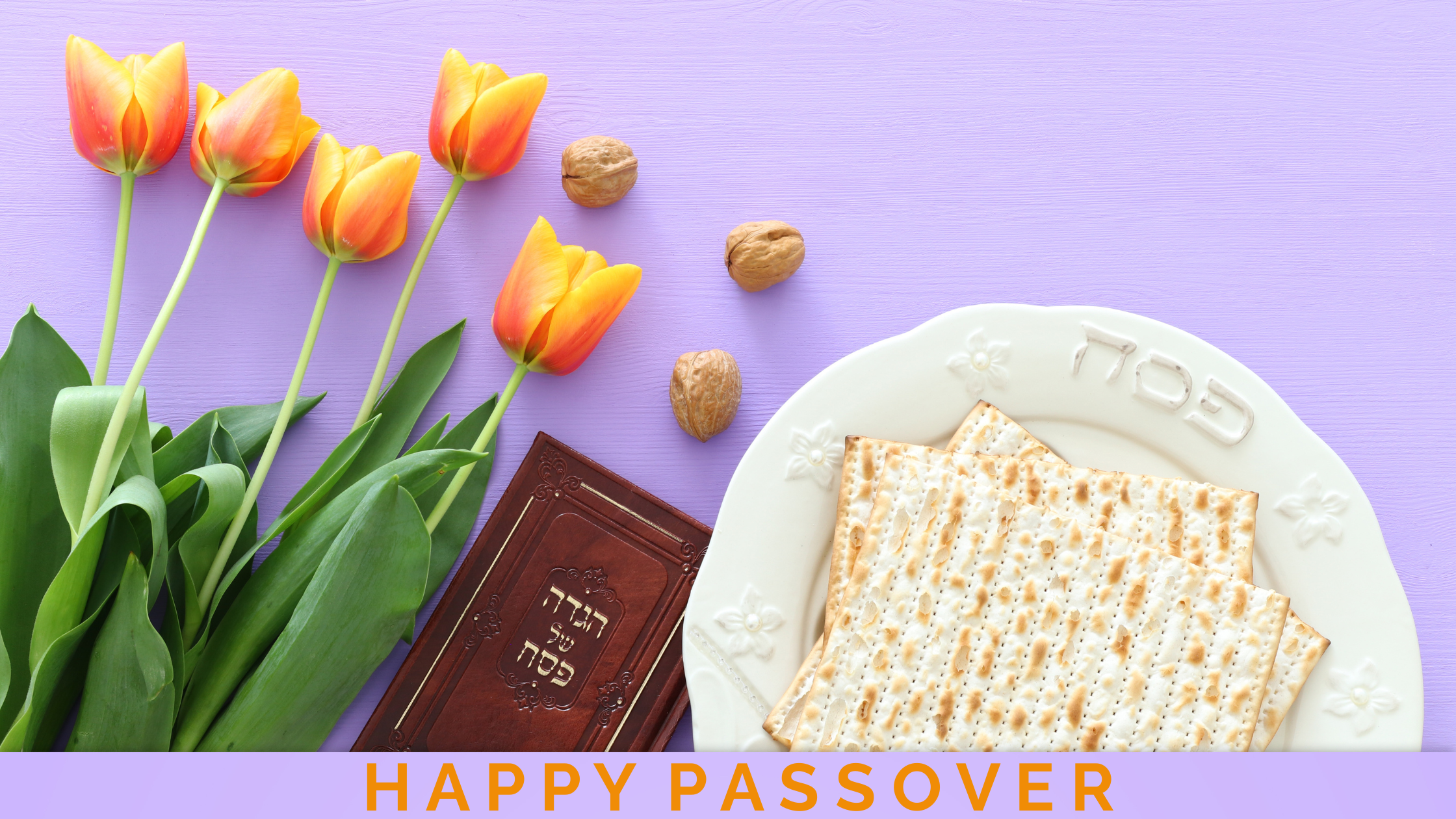
The highlight of Passover is the Seder which is observed by Jewish families on the first evening of the feast. There are many important focal points of the Seder, but two of these, the retelling of the story of the Exodus from Egypt and the eating of unleavened bread (Matzah) are commanded in the scriptures. A booklet called the Haggadah guides Jewish families through the Seder and covers very significant points which together not only retell the story of God’s great power that delivered them from Egypt but also powerfully points to God’s redemption in the future from all tyranny. I have been with Jewish families and seen how the parents have told the Exodus story to their children, often in very fun, lively ways that ensure the children will know and remember how God’s great power delivered them. If you are invited by Jewish friends or have a chance in Jerusalem to attend a Passover Seder provided by a Jewish organization or Jewish hotel, I would encourage you to go and experience a Seder.
Exodus 12:15 says that all leaven must be removed from the house prior to Passover and not eaten for 7 days. Even today the observant Jewish people are very careful to remove all leaven from their houses, and I believe this has great significance for us today. During the Seder unleavened bread (Matzah) with bitter herbs is eaten. The bitter herbs are a reminder of the tyranny and sufferings of Egypt mixed with faith that there will be a deliverance from the sufferings of today.
The Seder is arranged around four cups of wine, based on Exodus 6:6-8, which describes the four stages by which the Jews were delivered from bondage. In these verses the Lord says He will “bring you out,” “deliver you from their bondage,” “redeem you,” and “take you to Me for a people.” These four stages of deliverance could also be significant in how the Lord wants to deliver and redeem His people today. There is a fifth expression of deliverance also known as the cup of Elijah which, by tradition, belongs to the time of the Messiah and the ultimate redemption of the Jewish people.
It is interesting to note that the last supper recorded in the Gospels, which took place in Jerusalem with the disciples, was, in fact, a Passover Seder meal. Jesus traveled to Jerusalem with the disciples to observe the Feast of Passover right before His trial, crucifixion, and resurrection. The scriptures require the Jewish people to travel to Jerusalem three times a year for Pesach, Shavuot, and for Succot, and the scriptures show that Jesus, as an observant Jew, did this. From the time long before the birth of Jesus and still to this day the Jewish people generally follow the same pattern of retelling the story of Exodus.
The location of the “upper room” today near the old city of Jerusalem is a 12th century structure built by the Crusaders. The original “upper room” was likely a guest room of a private house which evolved into a 1st century Jewish-Christian synagogue. The foundation of this building dates back to the second temple period.